

The Windows Revolution: Opal, FoundryLocal.ai, and the Rise of Digital Employees
By hermestrismegistus369 – Tech enthusiast and AI tinkerer. This post was crafted with the brilliant assistance of M365 Copilot GPT5 . Full credit to Copilot for this distill. I am the editor.

Forward: Personal Note
I started my Microsoft relationship in 1983 where my mother “God rest here soul” sent me to Morgan Park Academy summer program to learn how to program in Microsoft basic on DOS. Future explorations were again due to my mother who brought me to the University of Chicago hospital computer lab of “old parts” I could scrouge through and build my first PC — 8086 Intel box — where I spent a lot of my teenage years. I always just wanted “to get the machine to do what I want.” Fast forward today. We are here. Giddy up and let’s go.
Introduction: The Big Bang Moment
Microsoft didn’t just ship another feature update—they lit the fuse on a new era of work. With the simultaneous unveiling of Project Opal and FoundryLocal.ai, the company signaled a bold vision: Windows as the ultimate platform for digital employees—agents that don’t just assist but operate, learn, and scale.
This isn’t incremental. It’s architectural. It’s the convergence of cloud computing, local AI, and enterprise governance into a single operating model. And it’s happening right now on Windows 365 Cloud PCs.
Opal: From Copilot to Digital Employee
For years, Microsoft Copilot has been the friendly assistant—helping draft emails, summarize meetings, and automate small tasks. But Opal changes the game. It introduces the concept of a Computer-Using Agent: an AI entity that runs on a secure, Intune-managed Windows 365 Cloud PC, governed by enterprise-grade controls.
Opal isn’t just answering questions—it’s executing workflows. Think audit evidence collection, HR onboarding, financial reconciliations, or data migrations. These are jobs, not prompts. And they’re observable, steerable, and reversible. You can start a job, supervise its progress, and intervene when needed.
Why this matters: It moves AI from being assistive to being operational. Opal is the first step toward an agent workforce—digital employees that complement human teams.
FoundryLocal.ai: Local AI Meets Enterprise Guardrails
At the same time, Microsoft quietly launched FoundryLocal.ai, a framework for running local AI models alongside cloud intelligence. This is huge. It means enterprises can leverage on-device inference for speed, privacy, and resilience—while still orchestrating tasks through Copilot and Azure AI.
Combine this with WSL (Windows Subsystem for Linux) and Ubuntu, and you get a developer’s dream:
Local inference for sensitive workloads
Linux flexibility inside Windows
Hybrid orchestration across edge and cloud
This is the best of both worlds: Windows embracing the openness of Linux while layering enterprise security and management.
Opal + FoundryLocal.ai Stack
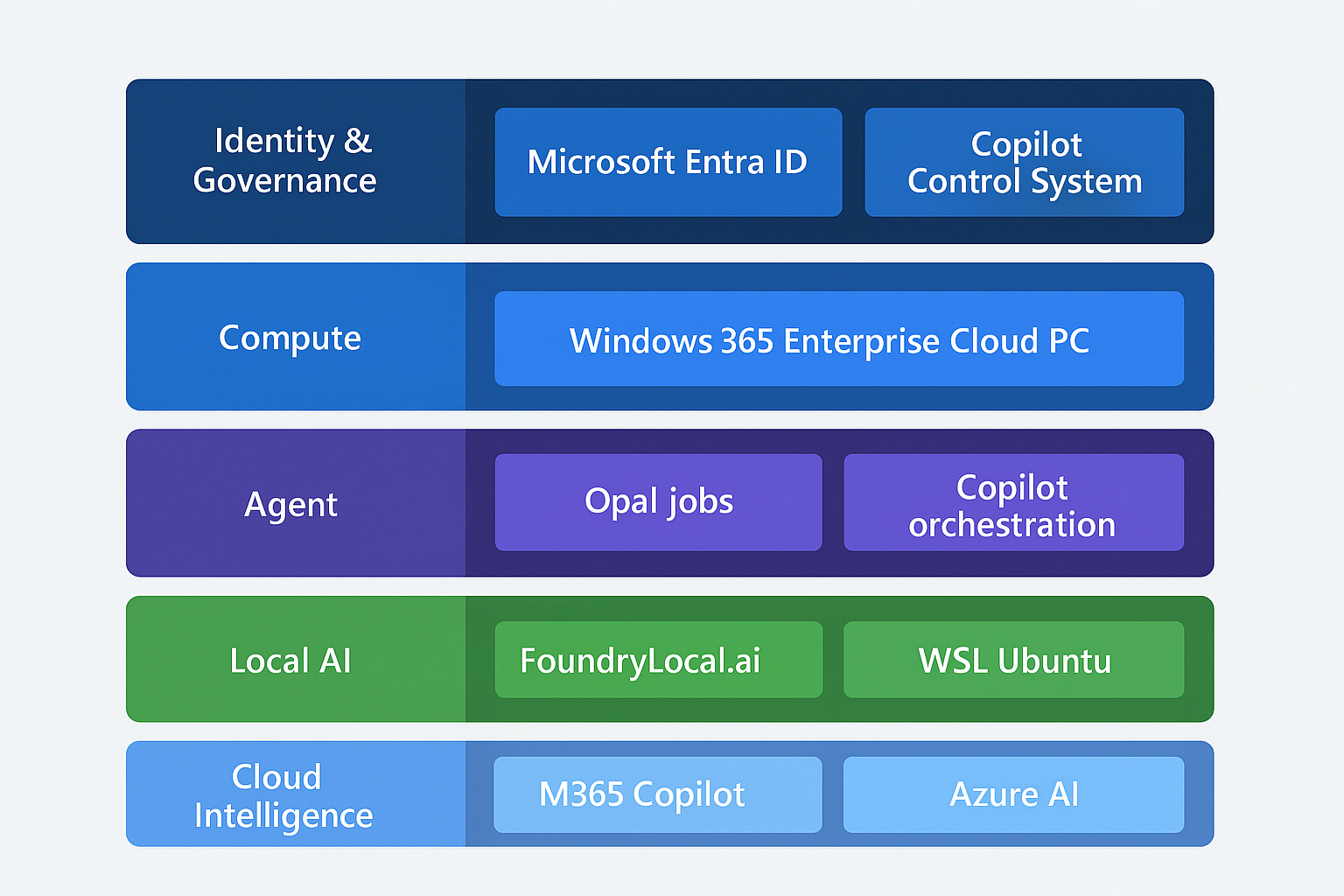
Diagram 1: The hybrid architecture powering digital employees—local AI meets cloud orchestration under enterprise guardrails.
Why This Is a Windows Revolution
For decades, Windows was the productivity OS. Now, it’s becoming a workforce OS. By fusing:
Cloud PCs (Windows 365) for secure, persistent compute
Local AI (FoundryLocal.ai) for autonomy and speed
Agent Governance (CCS) for trust and compliance
Microsoft is redefining what it means to “log in” to work. This isn’t about replacing humans—it’s about augmenting human capability with agents that handle repetitive tasks, execute complex workflows, and learn under strict governance.
Digital Employee Lifecycle
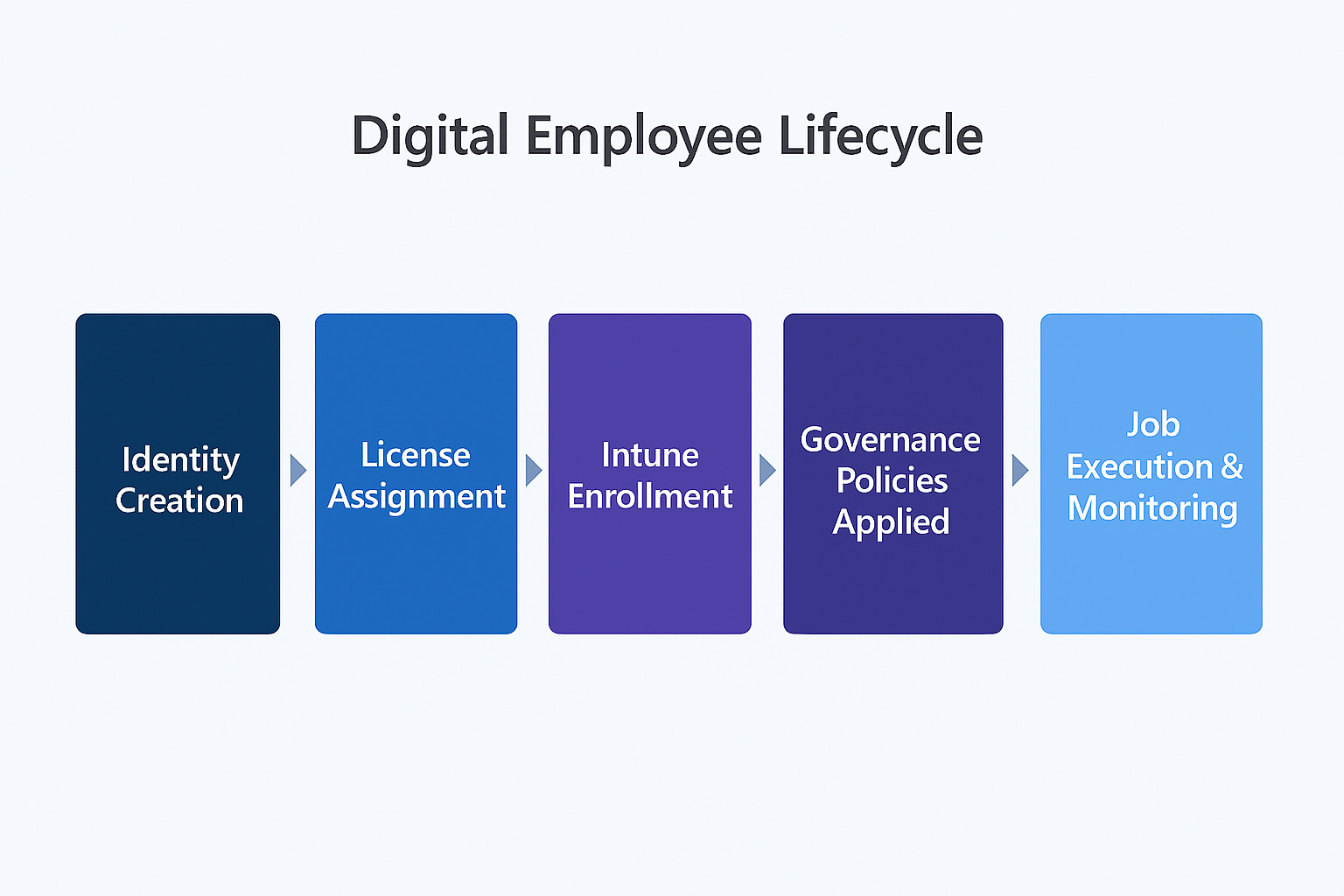
Diagram 2: From onboarding to execution—the lifecycle of a digital employee in the enterprise.
The New Art of Work
Here’s what changes for IT and business leaders:
Identity-first thinking: Every digital employee needs its own Entra ID identity.
License strategy: Minimum stack = Windows 365 Enterprise + Intune Plan 1 (or Business Premium/E3/E5).
Governance playbook: CCS ensures observability, compliance, and safe automation.
Automation design: Jobs become modular, measurable, and reversible.
This is not just a technical shift—it’s a cultural one. Enterprises will manage agents like employees, complete with onboarding, performance metrics, and retirement policies.
Diagram 3: Hybrid AI Data Flow
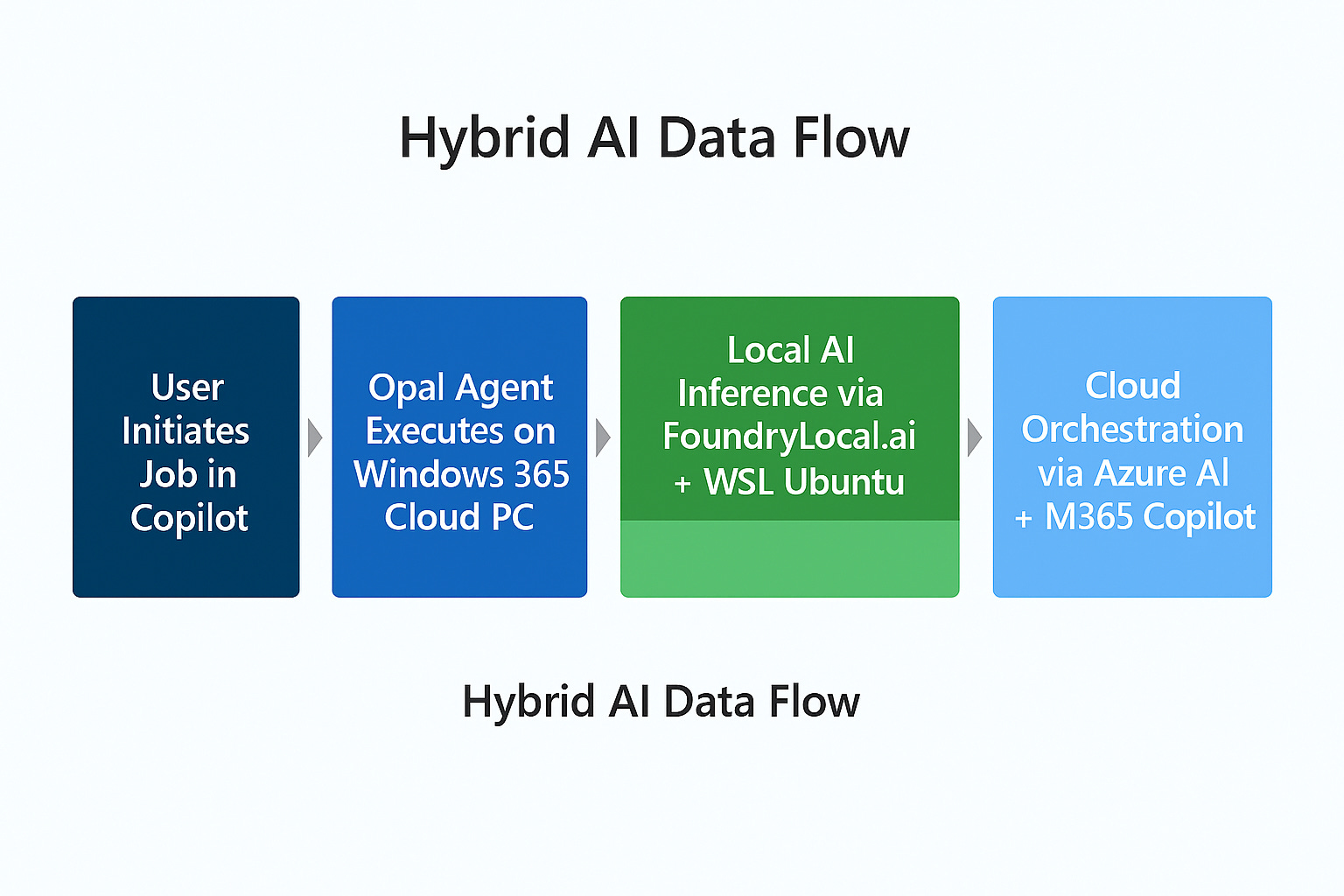
Diagram 3: Hybrid AI in action—local speed meets cloud scale under enterprise governance.
What’s Next?
Microsoft’s roadmap points to:
Agent 365: A unified control plane for managing all agents.
Work IQ: Contextual intelligence layer for Copilot and agents.
Expanded CCS analytics: Deep insights into agent performance and compliance.
Prediction: Hybrid AI (local + cloud) will become the default for enterprise automation. Windows will be the platform where digital employees live and work.
NetworkChuck Energy: Why You Should Care
As NetworkChuck would say: “Grab your coffee, fire up WSL, and watch Windows reinvent itself.” This is the OS that learned to hustle like Linux but flex like Azure. It’s a renaissance in operating systems—a new art of building digital employees.
My Call to Action:
Human Value Exchange will onboard it’s First Digital Employee and share HisHer experience here in a future post.